Same-day despatch before 2pm
Free delivery over £100
3 UK trade counters — London · Bristol · Bridgnorth
Part of the dormakaba Group
Expert product advice from our team

dormakaba · Abloy · Adams Rite · Clearline · GEZE · Exidor · Briton

The UK's specialist for commercial door & window hardware

Not sure which Closer you need?

Use our Handy Closer Selector

RATED EXCELLENT

See what our customers say!

Door Spares is a UK trade supplier of commercial door and window hardware, part of the dormakaba Group.

We stock replacement parts and new hardware for a wide range of
applications — from fire door closers and floor springs to high-security
cylinders, panic hardware, and window control systems.

Our range covers leading brands including dormakaba, Abloy, Adams Rite,
Clearline, GEZE, Exidor, Groom, and Axim. Whether you're a locksmith sourcing a
replacement cylinder, a contractor specifying floor springs for a new build, or
a facilities manager replacing a failed door closer, we stock the parts you
need and can despatch them the same day.

Order before 2pm for same-day despatch. Free delivery on orders over £100. Need
advice? Call your nearest trade counter or use our contact form — our team
knows these products inside out.

Shop by Product Type

Door Closers
Door Closers

Door Closers

Floor Springs

Floor Springs

Panic Hardware

Panic Hardware

Transom Closers

Transom Closers

Window Gear

Window Hardware

Access Control
7100 electric strike - adams rite

Access Control

Brands we stock

We are an authorised stockist and part of the dormakaba Group, supplying genuine parts direct to trade and public customers across the UK.

dormakaba
dormakaba

dormakaba

Groom
Groom

Groom

GEZE
GEZE

GEZE

Adams Rite
Adams Rite

Adams Rite

Axim
Axim

Axim

Union
Union

Union

Casma
Casma

Casma

Exidor
Exidor

Exidor

Sealy
Sealy

Sealy

Strand
Strand

Strand

Borg Locks
Borg Locks

Borg Locks

Briton
Briton

Briton

Door Spares Daily

Door Spares Daily Friday 11 September 2026
Industry News
Fire Door Standard Overhaul: EN 1634-1 Now Mandatory as BS 476-22 Is Withdrawn
BS 476-22, the longstanding fire resistance standard for commercial fire doors, was formally withdrawn in March 2026 and has been replaced by EN 1634-1 — bringing UK testing in line with the rest of Europe. At the same time, BS 8214:2026 came into force with substantial revisions to how fire door hardware must be specified, installed, and documented. For contractors and facilities managers, this means any fire door hardware purchased under the old standard needs to be reviewed: UKCA-marked products certified to EN 1634-1 are now required for new installations and replacements. Audit your fire door sets now to avoid compliance gaps on the next inspection.
Product Spotlight
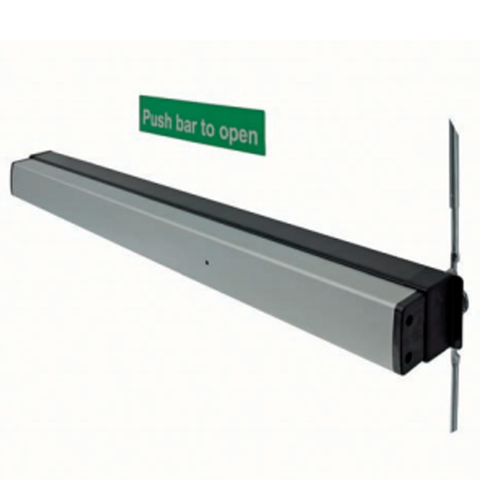
EN 1125 Panic Exit Hardware — Push Bar Panic Bolts & Touch Bars
Panic exit hardware is a legal requirement on fire escape routes serving public areas or spaces with an occupancy above 60 people, and must comply with EN 1125. Push bar (crossbar) and touch bar devices allow a door to open with a single push — even under crowd pressure — making them essential for commercial premises, schools, hospitals, and retail. Door Spares stocks a full range of EN 1125 certified panic hardware in stainless steel and silver finish, covering single and double leaf doors. All items are available for same-day despatch so you can keep jobs on schedule.
Shop Panic Hardware →
Installer Tip
EN 1125 vs EN 179 — Know Which Standard to Specify Before You Order
One of the most common and costly mistakes on commercial projects is fitting EN 179 emergency exit devices on doors that legally require EN 1125 panic hardware. EN 179 covers knob- or lever-operated emergency exit fittings suitable for staff-only or low-occupancy areas where occupants are familiar with the building. EN 1125 panic hardware — push bars and touch bars — is required wherever the public has access or occupancy exceeds 60 people, because it must function even when someone is pressed hard against the door. Check the occupancy and door use before specifying: getting this wrong means a failed fire risk assessment and a costly retrofit.